
INTRODUCTION
ENGLISH-SWAHILI POST
CYRUS THE GREAT AND THE MEDO-PERSIAN KINGDOM IN THE PLAN OF ELOHIM
INTRODUCTION
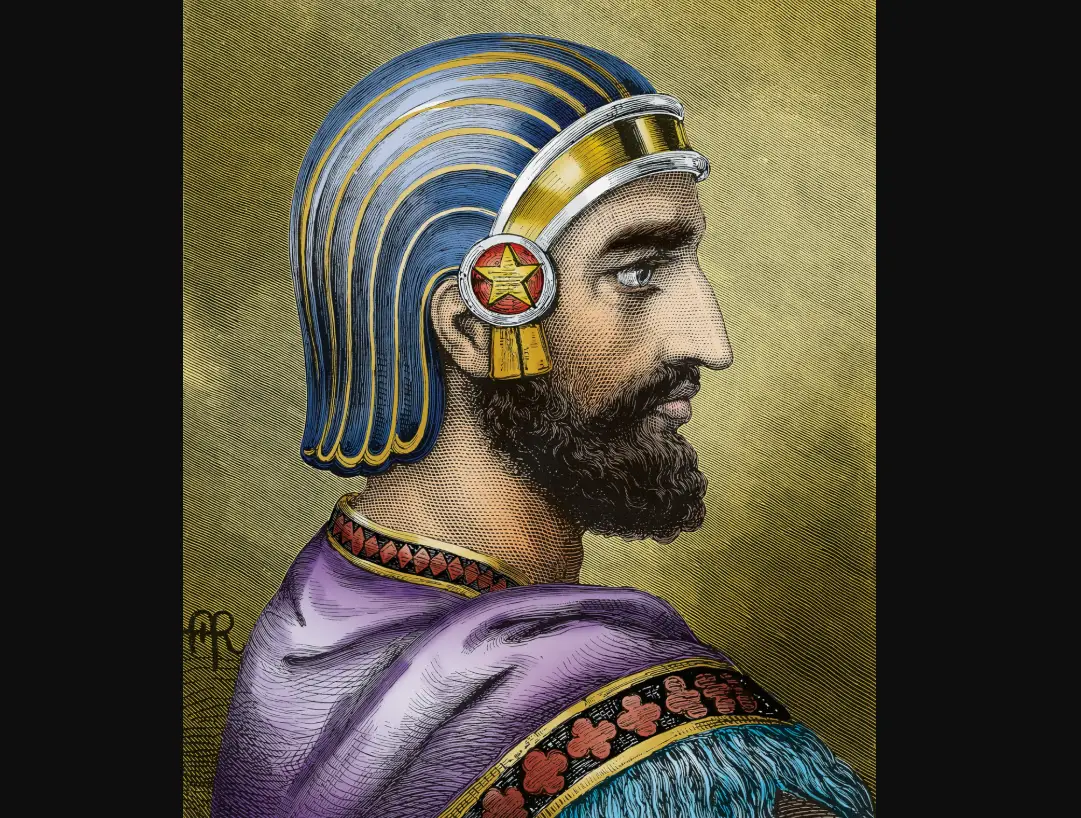
History sometimes moves quietly, but at certain moments Elohim writes His will across the pages of empires. Long before Cyrus the Great was born, Elohim called him by name, raised him up, used him to overthrow Babylon, and opened the way for the restoration of Jerusalem and the Temple. The story of Cyrus the Great and the Medo-Persian Empire is therefore not merely political history; it is prophecy unfolding exactly as spoken by Elohim. It shows how kingdoms rise and fall under His sovereign hand, and how even mighty emperors unknowingly serve His purposes.
1. PROPHECY OF CYRUS BEFORE HIS BIRTH
About 150 years before Cyrus was born, Elohim spoke through Isaiah and mentioned him by name. Elohim declared that Cyrus would perform His pleasure, rebuild Jerusalem, and lay the foundation of the Temple even though Cyrus did not yet know Him. This remarkable prophecy shows Elohim’s control over future rulers and world events (Isaiah 44:28; 45:1-4; 45:13).
2. CYRUS CALLED THE SHEPHERD AND ANOINTED OF ELOHIM
Elohim gave Cyrus unusual titles for a Gentile ruler. He called him “My shepherd” and even “His anointed,” meaning Cyrus would be specially raised to accomplish Elohim’s purposes in history. Though Cyrus did not initially know Elohim personally, he was chosen as an instrument to fulfill divine prophecy (Isaiah 44:28; 45:1; 45:4-5).
3. THE RISE OF THE MEDO-PERSIAN KINGDOM
The empire of the Medes and Persians arose east of Babylon and eventually united under Cyrus. The Medes had earlier dominance, but the Persians became the stronger power under Cyrus. This dual kingdom was symbolized in Daniel’s visions as a kingdom composed of two parts working together under one imperial structure (Daniel 2:32; 2:39; 7:5; 8:3; 8:20).
4. DANIEL’S PROPHECIES OF THE MEDO-PERSIAN EMPIRE
Daniel foresaw the rise of the Medo-Persian kingdom centuries before it reached global power. In his vision of the statue it appeared as the chest and arms of silver following Babylon. In another vision it appeared as a bear raised on one side, and in another as a ram with two horns representing the Medes and Persians. These prophecies accurately described the structure and character of the empire (Daniel 2:31-39; 7:5; 8:3-4; 8:20).
5. THE FALL OF BABYLON AND THE DIVERSION OF THE EUPHRATES
Cyrus conquered Babylon in 539 BC. Historical accounts describe how the Euphrates River was diverted so Persian troops could enter the city through the riverbed while the Babylonians were celebrating. This fulfilled the prophecies that Babylon’s waters would be dried up and its gates opened before Cyrus. That very night the Babylonian kingdom fell (Isaiah 44:27; 45:1; Jeremiah 50:38; 51:36; Daniel 5:30-31). Remember that the Euphrates River is prophesied to dry up before the battle of Armageddon (Revelation 16:12). Remember also that the Euphrates River was one of the four rivers of the Garden of Eden in the beginning (Genesis 2:10–14).
6. THE ROLE OF DARIUS THE MEDE
After Babylon fell, Darius the Mede received the kingdom and ruled under the authority of the Persian administration. This reflects the partnership between the Medes and Persians within the empire. Daniel served under this ruler, and the government structure included satraps and governors across the provinces (Daniel 5:31; 6:1-3; 6:28).
7. CYRUS AND THE DECREE TO REBUILD JERUSALEM
In 538 BC, the first year after conquering Babylon, Cyrus issued a decree allowing the Jewish exiles to return to Jerusalem and rebuild the Temple. This fulfilled Jeremiah’s prophecy that the captivity would last seventy years from the destruction of Jerusalem in 586 BC. The first return under Zerubbabel began soon after the decree, marking the start of the restoration of Jerusalem and its worship (Ezra 1:1-4; 2 Chronicles 36:22-23; Jeremiah 25:11-12; 29:10).
8. REBUILDING OF THE TEMPLE IN JERUSALEM
The returning exiles began rebuilding the Temple around 536 BC under leaders such as Zerubbabel and Joshua the high priest. Though the work faced opposition and delays, prophets Haggai and Zechariah encouraged the people to continue. The Second Temple was finally completed in 516 BC during the reign of Darius I of Persia, about twenty years after the work began (Ezra 3:8-11; 4:4-5; 5:1-2; 6:14-15; Haggai 1:7-8).
9. THE DECREE OF ARTAXERXES IN EZRA 7
Another major command concerning Jerusalem came in 457 BC under King Artaxerxes I of the Persian Empire. Artaxerxes authorized Ezra to return to Jerusalem with authority to organize the religious and judicial life of the people according to the law of Elohim. This decree became crucial in the prophetic timeline concerning Jerusalem (Ezra 7:11-27; Daniel 9:25).
10. THE STORY OF ESTHER IN THE PERSIAN EMPIRE
The book of Esther unfolds within the same Medo-Persian kingdom during the reign of King Ahasuerus, widely identified with Xerxes I, who ruled approximately 486-465 BC. Around 483-473 BC the events of Esther took place, when Elohim preserved the Jewish people from destruction through Queen Esther and Mordecai after Haman’s plot against them (Esther 1:1-3; 3:8-11; 7:3-6; 9:1).
11. THE EXPANSION AND POWER OF THE MEDO-PERSIAN EMPIRE
At its height the Medo-Persian Empire stretched from India to Ethiopia and governed 127 provinces. Its administrative organization, legal structure, and imperial road system made it one of the most powerful empires in the ancient world, yet it was only the second kingdom in the prophetic sequence shown to Daniel (Esther 1:1; Daniel 2:39).
12. THE RISE OF ALEXANDER THE GREAT AND THE FALL OF PERSIA
In 331 BC the Medo-Persian Empire collapsed when Alexander the Great of Greece defeated the Persian king Darius III at the Battle of Gaugamela. Daniel had already foretold the rise of Greece as a swift conquering empire symbolized by a leopard and by a male goat defeating the ram representing Medo-Persia (Daniel 7:6; 8:5-7; 8:21).
13. THE LESSON OF EMPIRES IN THE HANDS OF ELOHIM
From Babylon to Medo-Persia and then to Greece, the sequence of empires unfolded exactly as revealed to Daniel. Kings rise and kingdoms flourish, yet all remain subject to the authority of Elohim who removes kings and sets up kings according to His will. Ultimately all earthly dominions will give way to the everlasting kingdom under Christ, the Hebrew Messiah (Daniel 2:21; 2:44; 4:17; 7:27).
CONCLUSION
The story of Cyrus and the Medo-Persian Empire stands as one of the clearest demonstrations that Elohim governs the course of history. A king was named before he was born, Babylon fell exactly as foretold, Jerusalem was restored, and the prophetic sequence of world empires unfolded precisely as Daniel had seen. These events remind us that human kingdoms are temporary, but the kingdom of Elohim is certain. As history moves forward toward the reign of the Messiah, the same Elohim who guided Cyrus continues to guide the destiny of the world.
This Post has been prepared by
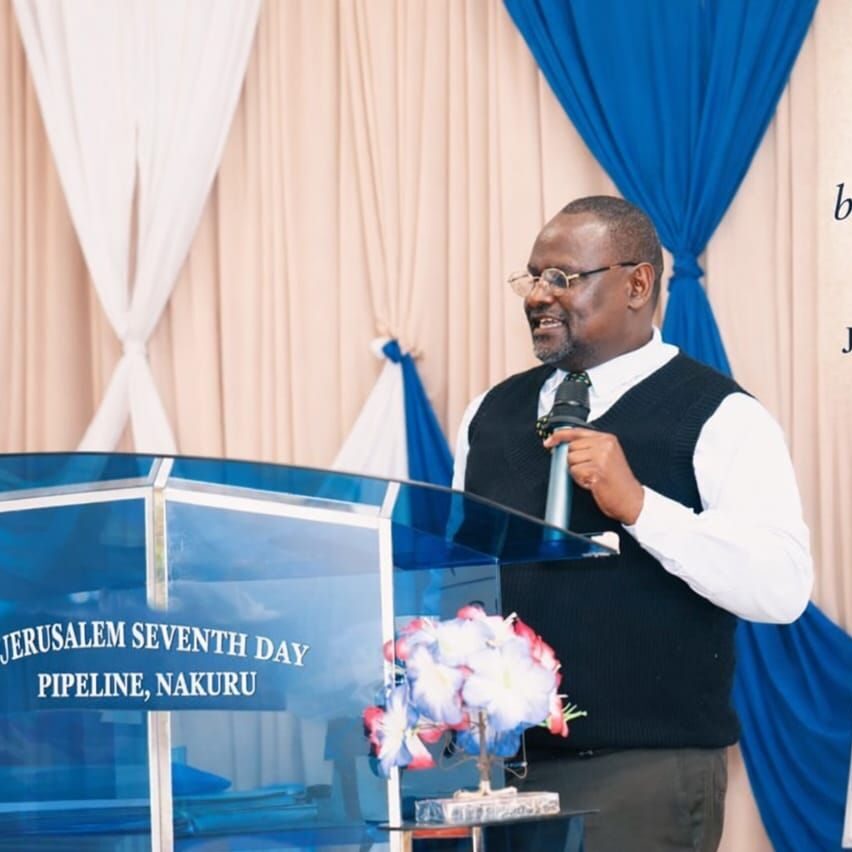
Bro Mutonga (Pipeline Church, Nakuru, Kenya, East Africa, Africa)
babakevi@gmail.com
+254722808047
Permission granted to freely share it widely in whatever form (Matthew 10:8)
*******
KORESHI MKUU NA UFALME WA WAMEDI NA WAPERSIA KATIKA MPANGO WA ELOHIM
UTANGULIZI
Historia wakati mwingine husonga kimya kimya, lakini katika nyakati fulani Elohim huandika mapenzi yake katika kurasa za falme za dunia. Muda mrefu kabla Koreshi Mkuu (CYRUS , THE GREAT) hajazaliwa, Elohim alimwita kwa jina, akamwinua, akamtumia kuuangusha Babeli, na akafungua njia ya kurejeshwa kwa Yerusalemu na Hekalu. Kwa hiyo historia ya Koreshi Mkuu na Ufalme wa Wamedi na Wapersia (Wamedi na Waajemi) si historia ya kisiasa tu; ni unabii uliotimizwa sawasawa kama ulivyosemwa na Elohim. Inaonyesha jinsi falme zinavyoinuka na kuanguka chini ya mkono wake mkuu, na jinsi hata wafalme wenye nguvu hutimiza makusudi yake bila wao kujua.
1. UNABII WA KORESHI MKUU KABLA YA KUZALIWA
Takriban miaka 150 kabla Koreshi hajazaliwa, Elohim alinena kupitia nabii Isaya na kumtaja kwa jina. Elohim alitangaza kwamba Koreshi angefanya mapenzi yake, angeujenga tena Yerusalemu, na angeweka msingi wa Hekalu ingawa wakati huo Koreshi hakuwa anamjua. Unabii huu wa ajabu unaonyesha mamlaka ya Elohim juu ya watawala wa baadaye na matukio ya dunia (Isaya 44:28; 45:1-4; 45:13).
2. KORESHI MKUU ALIITWA MCHUNGAJI NA MPAKWA MAFUTA WA ELOHIM
Elohim alimpa Koresh majina ya kipekee kwa mtawala wa mataifa. Alimwita mchungaji wangu na hata masihi wake, maana yake Koreshi angeinuliwa kwa kusudi maalum ili kutimiza makusudi ya Elohim katika historia. Ingawa mwanzoni Koreshi hakumjua Elohim binafsi, alichaguliwa kuwa chombo cha kutimiza unabii wa mbinguni (Isaya 44:28; 45:1; 45:4-5).
3. KUINUKA KWA UFALME WA WAMEDI NA WAPERSIA
Ufalme wa Wamedi na Wapersia uliinuka mashariki ya Babeli na hatimaye ukaunganishwa chini ya Koresho. Wamedi walikuwa na nguvu hapo awali, lakini Wapersia wakawa na nguvu zaidi chini ya Koreshi. Ufalme huu wa pande mbili uliwakilishwa katika maono ya Danieli kama ufalme wenye sehemu mbili zinazofanya kazi pamoja chini ya utawala mmoja wa kifalme (Danieli 2:32; 2:39; 7:5; 8:3; 8:20).
4. UNABII WA DANIELI KUHUSU UFALME WA WAMEDI NA WAPERSIA
Danieli aliona mapema kuinuka kwa ufalme wa Wamedi na Wapersia karne nyingi kabla haujawa nguvu ya dunia. Katika maono ya sanamu ulionekana kama kifua na mikono ya fedha baada ya Babeli. Katika maono mengine ulionekana kama DUBU aliyeinuliwa upande mmoja, na katika maono mengine kama kondoo dume mwenye pembe mbili akiwawakilisha Wamedi na Wapersia. Unabii huu ulieleza kwa usahihi muundo na tabia ya ufalme huo (Danieli 2:31-39; 7:5; 8:3-4; 8:20).
5. KUANGUKA KWA BABELI NA KUGEUZWA KWA MTO FRATI (EUPHRATES)
Koreshi aliiteka Babeli mwaka 539 KK. Maelezo ya kihistoria yanaeleza kwamba maji ya mto Frati yaligeuzwa ili askari wa Wapersia waingie katika mji kupitia kitanda cha mto wakati Wababeli walipokuwa wakisherehekea. Hii ilitimiza unabii kwamba maji ya Babeli yangekauka na milango yake kufunguliwa mbele ya Koreshi. Usiku huo huo ufalme wa Babeli ulianguka (Isaya 44:27; 45:1; Yeremia 50:38; 51:36; Danieli 5:30-31). Kumbuka Mto Frati umetabiriwa kuwa utakauka kabla ya vita vya Armagedoni (Ufunuo 16:12). Kumbuka pia kuwa Mto Frati ulikuwa mmoja wa mito minne iliyotoka katika bustani ya Edeni hapo mwanzo (Mwanzo 2:10-14).
6. JUKUMU LA DARIO MMEDI
Baada ya Babeli kuanguka, Dario Mmedi alipokea ufalme na kutawala chini ya mamlaka ya utawala wa Wapersia. Hii inaonyesha ushirikiano kati ya Wamedi na Wapersia ndani ya ufalme huo. Danieli alitumikia chini ya mtawala huyu, na mfumo wa serikali ulikuwa na wakuu wa majimbo na magavana katika maeneo mengi ya ufalme (Danieli 5:31; 6:1-3; 6:28).
7. KORESHI NA AMRI YA KUJENGA UPYA YERUSALEMU
Mwaka 538 KK, katika mwaka wa kwanza baada ya kuiteka Babeli, Koreshi Mkuu alitoa amri iliyowaruhusu Wayahudi waliokuwa uhamishoni kurudi Yerusalemu na kulijenga tena Hekalu. Hii ilitimiza unabii wa Yeremia kwamba utumwa ungechukua miaka 70 tangu kuharibiwa kwa Yerusalemu mwaka 586 KK. Kurudi kwa kwanza chini ya Zerubabeli kulianza mara baada ya amri hiyo, na hiyo ikawa mwanzo wa kurejeshwa kwa Yerusalemu na ibada yake (Ezra 1:1-4; 2 Nyakati 36:22-23; Yeremia 25:11-12; 29:10).
8. KUJENGWA TENA KWA HEKALU LA YERUSALEMU
Wahamishwa walipoanza kurudi, walianza kujenga Hekalu karibu mwaka 536 KK chini ya viongozi kama Zerubabeli na Yoshua kuhani mkuu. Ingawa kazi ilikumbwa na upinzani na kucheleweshwa, manabii Hagai na Zekaria waliwatia moyo watu kuendelea na kazi. Hekalu la pili hatimaye lilikamilika mwaka 516 KK katika utawala wa Dario wa Uajemi, takriban miaka ishirini baada ya kazi kuanza (Ezra 3:8-11; 4:4-5; 5:1-2; 6:14-15; Hagai 1:7-8).
9. AMRI YA ARTASHASTA KATIKA EZRA 7
Amri nyingine muhimu kuhusu Yerusalemu ilitolewa mwaka 457 KK chini ya mfalme Artashasta wa Uajemi. Artashasta alimruhusu Ezra kurudi Yerusalemu akiwa na mamlaka ya kupanga maisha ya kidini na ya kisheria ya watu kulingana na sheria ya Elohim. Amri hii ilikuwa muhimu sana katika mpangilio wa unabii unaohusu Yerusalemu (Ezra 7:11-27; Danieli 9:25).
10. HADITHI YA ESTA KATIKA UFALME WA UAJEMI
Kitabu cha Esta kinatokea ndani ya ufalme huo huo wa Wamedi na Wapersia wakati wa utawala wa mfalme Ahasuero, anayejulikana sana kama Xerxes I, aliyewatawala karibu miaka 486–465 KK. Karibu miaka 483–473 KK matukio ya Esta yalitokea, wakati Elohim aliwahifadhi Wayahudi wasiangamizwe kupitia Malkia Esta na Mordekai baada ya njama ya Hamani dhidi yao (Esta 1:1-3; 3:8-11; 7:3-6; 9:1).
11. UPANUZI NA NGUVU ZA UFALME WA WAMEDI NA WAPERSIA
Katika kilele chake, Ufalme wa Wamedi na Wapersia ulienea kutoka India hadi Ethiopia na ulitawala majimbo 127. Mpangilio wake wa utawala, mfumo wa sheria, na barabara za kifalme uliufanya kuwa moja ya falme zenye nguvu zaidi katika dunia ya kale, ingawa ulikuwa tu ufalme wa pili katika mfululizo wa unabii alioonyeshwa Danieli (Esta 1:1; Danieli 2:39).
12. KUINUKA KWA ALEXANDER MKUU NA KUANGUKA KWA UFALME WA WAMEDI NA WAPERISIA
Mwaka 331 KK Ufalme wa Wamedi na Wapersia ulianguka wakati Alexander Mkuu wa Ugiriki (Muyunani) alipomshinda mfalme wa Uajemi Dario III katika vita vya Gaugamela. Danieli alikuwa tayari ametabiri kuinuka kwa Ugiriki kama ufalme wa ushindi wa haraka uliowakilishwa na chui na pia mbuzi dume aliyemshinda kondoo dume aliyewakilisha Wamedi na Wapersia (Danieli 7:6; 8:5-7; 8:21).
13. SOMO LA FALME KATIKA MIKONO YA ELOHIM
Kutoka Babeli hadi Wamedi na Wapersia na kisha Wayunani, mfululizo wa falme ulitokea sawasawa kama ulivyofunuliwa kwa Danieli. Wafalme huinuka na falme hustawi, lakini zote hubaki chini ya mamlaka ya Elohim ambaye huwaondoa wafalme na kuweka wafalme kulingana na mapenzi yake. Hatimaye tawala zote za dunia zitapisha nafasi kwa ufalme wa milele chini ya Masihi (Danieli 2:21; 2:44; 4:17; 7:27).
HITIMISHO
Hadithi ya Koresho Mkuu na Ufalme wa Wamedi na Wapersia ni mojawapo ya uthibitisho ulio wazi zaidi kwamba Elohim hutawala mkondo wa historia. Mfalme alitajwa kabla hajazaliwa, Babeli ikaanguka sawasawa kama ilivyotabiriwa, Yerusalemu ikarejeshwa, na
Permission granted to freely share it widely in whatever form (Matthew 10:8)