
ENGLISH SWAHILI POST ON YOM KIPPUR
THE DAY OF ATONEMENT; YOM KIPPUR; AND THE NEW DISPENSATION IN THE MESSIAH
PREAMBLE
I am fully aware that what you are about to read may be very emotive. Please understand that this post is not written to hurt, condemn, or despise anyone. Rather, it is meant to serve as an exposé; a sincere attempt to shine light on the truth of the Scriptures regarding the Day of Atonement in the new covenant. This matter is rarely discussed because of the sharp divisions that arise.
Dear reader, I warmly invite you to go through this message with keen attention. Be as objective as possible. Feel free to ask questions, share your thoughts, and even express a differing opinion; but let it be done in humility, in gentleness, and in the fear of God (in Hebrew called Elohim). Let our discussions be guided by the timeless principle of Psalm 119:105: “Thy word is a lamp unto my feet, and a light unto my path.”
It is my earnest prayer that as you read, you will be led deeper into the freedom and fullness of Jesus Christ (in Hebrew called Yahshua Messiah), who has given Himself once and for all as our eternal Atonement.
INTRODUCTION
The Day of Atonement, or Yom Kippur, remains one of the most solemn observances in the Old Covenant. For Israel, it was the annual moment when the high priest entered the Holy of Holies to make atonement for the sins of the people. Yet, in the new dispensation, we must ask: what place does this day hold for believers in Messiah?
This study is not written to condemn or to mock those who still observe it, but rather to open the Scriptures and show the better way revealed in the new covenant. The sacrifice of animals, the rituals of the temple, and the remembrance of sins year by year were but shadows pointing to the true atonement made once for all by the Saviour. To insist on returning to those shadows is to diminish the power of His cross.
Let us, therefore, walk through the Scriptures with honesty and humility, searching for truth. May this study strengthen your faith, sharpen your understanding, and above all, exalt Yahshua Messiah as our eternal High Priest and perfect Atonement.
1. WHAT IS THE DAY OF ATONEMENT?
The Day of Atonement, or Yom Kippur, was a solemn feast commanded to Israel on the 10th day of the seventh month (Ethanim/Tishrei). It was marked by fasting, complete rest, and animal sacrifices for the cleansing of sins. In 2025, the 10th of Ethanim will fall on Thursday, October 2nd (Leviticus 16:29-31; 23:26-32; Numbers 29:7-11).
2. WHO WAS THE HIGH PRIEST UNDER THE OLD COVENANT?
The High Priest under the Old Covenant was the chief religious leader of Israel, chosen from the tribe of Levi and specifically from the descendants of Aaron, consecrated to offer sacrifices and mediate between Elohim and the people (Exodus 28:1; Exodus 29:9; Numbers 3:10; Numbers 18:1-7; Leviticus 8:12; Leviticus 16:2-3, 32-34; Numbers 20:25-28).
3. HOW WAS THE TEMPLE DIVIDED?
The Temple was divided into the outer court where the congregation assembled, the Holy Place where priests ministered with the lampstand, table of showbread and altar of incense, and the Holy of Holies where the Ark of the Covenant was kept and only the High Priest entered once a year on the Day of Atonement (Exodus 27:9-19; Exodus 26:33-35; Leviticus 16:2; Hebrews 9:2-5, 7).
4. WHAT WAS THE VEIL? WHY WAS IT TORN AT THE DEATH OF YAHSHUA MESSIAH?
The veil was the thick curtain that separated the Holy Place from the Holy of Holies, signifying the barrier between Elohim and man; when the Saviour died it was torn from top to bottom, showing access to Elohim through Him. This veil is the flesh of Yahshua. (Exodus 26:31-33; Matthew 27:51; Hebrews 9:1-3; 10:19-20).
5. WHAT WAS THE ROLE OF THE HIGH PRIEST ON THE DAY OF ATONEMENT?
The Levitical high priest used to enter the Holy of Holies once every year with blood to atone for his sins and those of Israel. This only happened on 10th Ethanim, that is on the Day of Atonement (Leviticus 16:17, 29–31, 34.; Hebrews 9:7; 10:1-3).
6. WAS THE NEW COVENANT MENTIONED IN PAUL’S TIME AND WHAT DID IT MEAN FOR THE OLD COVENANT?
Yes; Paul spoke of the New Covenant in the Messiah’s blood, showing that the Old Covenant with its priesthood and sacrifices was becoming obsolete and ready to vanish away. The New Covenant replaced the Old, bringing salvation through grace and the once-for-all sacrifice of the Messiah (2 Corinthians 3:6; Hebrews 7:11-12; 8:6-13; 9:15; 10:9; Romans 10:4). The Epistle to the Hebrews was written around AD 64–68, just before the Temple’s fall in AD 70.
7. WHAT HAPPENED TO THE TEMPLE IN AD 70?
In AD 70 the Roman army under General Titus destroyed the Jerusalem Temple, fulfilling the prophecy of the Saviour that not one stone would be left upon another, signifying the final end of the Old Covenant order of sacrifices and priesthood (Matthew 24:1-2; Luke 21:5-6; Daniel 9:26).
8. WHO IS THE HIGH PRIEST IN THE NEW DISPENSATION?
In the new covenant, Yahshua Messiah alone serves as the eternal High Priest, appointed not according to the Levitical order but after the order of Melchizedek. His priesthood stands forever, surpassing and replacing the priesthood of Aaron and his descendants. Unlike the Levitical priests, who offered sacrifices repeatedly, Yahshua Messiah entered once for all into the heavenly sanctuary with His own blood, securing eternal redemption for all who believe. Thus, the role of the Levitical high priests became null and void in the light of His perfect priesthood (Hebrews 4:14; 5:5-6; 7:24-25; 8:1; 9:11-12).
9. HOW OFTEN IS ATONEMENT IN THE NEW DISPENSATION?
In the new covenant, atonement is no longer a yearly ritual but a once-for-all sacrifice. The Messiah offered Himself a single time, shedding His own blood to obtain eternal redemption. Unlike the repeated sacrifices of the Old Covenant, which could never fully take away sins, His one perfect offering has sanctified those who believe forever. There is no longer any need for yearly atonement, for His work is complete and final (Hebrews 9:12; 9:24-28; 10:10-12).
10. WHO IS OUR ATONEMENT TODAY?
Today, our atonement is found in Yahshua Messiah alone. Through His blood, He became the propitiation for our sins and not for ours only, but also for the sins of the whole world. His sacrifice reconciles us to the Almighty, bringing forgiveness, redemption, and peace with Elohim. No other offering is needed, for in Him we have the complete atonement that the old sacrifices could only foreshadow (1 John 2:2; Romans 5:11; Hebrews 2:17; Ephesians 1:7).
11. IS THERE REMEMBRANCE OF SINS AFTER FORGIVENESS IN THE MESSIAH?
In the new covenant, once forgiveness is granted through Yahshua Messiah, sins are remembered no more. Unlike the Old Covenant sacrifices, which continually reminded the people of their sins year after year, the perfect sacrifice of Yahshua Messiah completely removes them. Elohim promises that under this covenant He will remember sins and lawless deeds no longer, showing the completeness of redemption we have in Him (Hebrews 10:17; Hebrews 8:12; Isaiah 43:25; Jeremiah 31:34; Micah 7:19; Psalm 103:12).
12. DID MESSIAH OR HIS APOSTLES TEACH KEEPING YOM KIPPUR?
Yahshua Messiah and His apostles never commanded believers to keep Yom Kippur. In the New Testament, there is no instruction to observe the Day of Atonement, for its purpose was fulfilled in the once-for-all sacrifice of Yahshua. Paul even warned against returning to the observance of days and seasons under the law, urging believers to stand firm in the freedom of the new covenant. While Acts 27:9 mentions the Fast, it is only a reference in passing and not a teaching for its observance (Acts 27:9; Galatians 4:9-11; Galatians 5:1; Colossians 2:16-17).
13. WHAT DID MESSIAH COMMAND US TO REMEMBER INSTEAD?
Instead of commanding us to keep Yom Kippur, the Saviour instructed His followers to remember Him through the Lord’s Supper. In this memorial, we partake of the bread and the cup as symbols of His body and blood given for the remission of sins. This act is to be observed until He comes again, serving as the true remembrance of His sacrifice and resurrection, the foundation of our salvation in the new covenant (Matthew 26:27-28; Luke 22:20; 1 Corinthians 11:25-26).
14. WHAT WARNING IS GIVEN AGAINST RETURNING TO THE LAW?
The Scriptures warn strongly against returning to the law for justification. Those who seek righteousness through the works of the law fall from grace and make void the power of the Messiah’s sacrifice. To go back to the old ordinances is to despise the once-for-all offering of His blood, treating it as common and insulting the Spirit of grace. In the new covenant, the handwriting of ordinances was nailed to the cross, and believers are called to live in the freedom of the Messiah, not in bondage to the law (Galatians 5:2-4; Hebrews 10:28-29; Colossians 2:14-17).
15. IS OBSERVING YOM KIPPUR A REQUIREMENT FOR SALVATION?
Observing Yom Kippur is not a requirement for salvation. The Scriptures make it clear that salvation is by grace through faith in Yahshua Messiah, not by the works of the law. To insist on keeping the Day of Atonement as a condition for salvation is to deny the sufficiency of His sacrifice. Just as Peter affirmed, neither we nor our fathers were able to bear the yoke of the law, but we are saved through the grace of the Messiah alone (Acts 15:1-11; Galatians 2:16; Ephesians 2:8-9).
16. SUPPOSE ONE CHOOSES TO KEEP THE DAY OF ATONEMENT IN THE NEW DISPENSATION, IS IT A GRAVE SIN?
Yes; it is a serious error because it undermines the finished work of the Messiah. The Day of Atonement under the Old Covenant was only a shadow, fulfilled in the once-for-all sacrifice of the Saviour. To continue observing it as a means of righteousness is to attempt to re-establish the old order, despise the blood of the Messiah, and fall from grace. The Scriptures warn that returning to the law for justification treats the cross as insufficient and insults the Spirit of grace (Galatians 5:2-4; Hebrews 10:28-29; Colossians 2:14-17). Therefore, while some may regard Yom Kippur as sacred tradition, in the new covenant it is not only unnecessary but also dangerous, for salvation is by grace through faith in the Messiah alone (Ephesians 2:8-9).
CONCLUSION
The Day of Atonement was central under the old covenant, but it was never the final solution to sin. Its yearly sacrifices, its high priests, and its rituals were temporary shadows pointing to the true work of the Saviour. In the new covenant, He is our eternal High Priest, our perfect Atonement, and our only Salvation.
What matters is faith in the once-for-all sacrifice of the Son of Man, which cleanses the conscience and brings eternal redemption. The command we are given is not to keep Yom Kippur, but to remember Him in the Lord’s Supper until He comes. Keeping of the Day of Atonement is today null and void in the new covenant.
Let us then hold fast to the liberty we have in the Messiah, rejoice in His finished work, and walk in the newness of life, knowing that our sins are forgiven and remembered no more. Truly, in Him, atonement is complete.
This Post has been prepared by
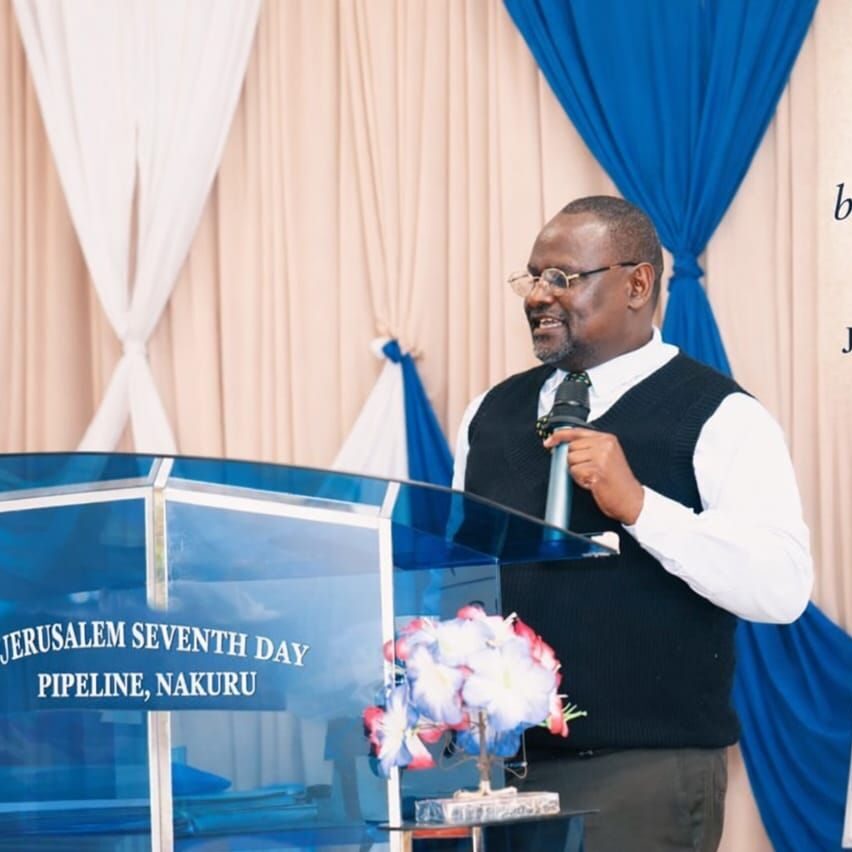
Bro Mutonga (Pipeline Church; Nakuru; Kenya; East Africa; Africa)
babakevi@gmail.com
+254722808047
Permission granted to freely share it widely in whatever form.
**************
SIKU YA UPATANISHO; YOM KIPPUR; NA AGANO JIPYA KATIKA MASIHI
MANENO YA KWANZA (PREAMBLE)
Ninatambua kikamilifu kwamba kile unachokwenda kusoma huenda kikaamsha hisia kali. Tafadhali elewa kwamba maandiko haya hayajaandikwa kwa lengo la kuumiza, kuhukumu, au kudharau mtu yeyote. Badala yake, yameandikwa kama ufafanuzi; jitihada ya dhati ya kuonyesha ukweli wa Maandiko kuhusu Siku ya Upatanisho katika agano jipya. Hili ni jambo ambalo mara chache huzungumziwa kwa sababu ya migawanyiko mikali inayojitokeza.
Msomaji mpendwa, nakualika kwa moyo wa joto kupitia ujumbe huu kwa makini. Kuwa na mtazamo wa haki kadri uwezavyo. Jisikie huru kuuliza maswali, kushiriki mawazo yako, na hata kutoa maoni yanayotofautiana; lakini yote yafanyike kwa unyenyekevu, upole, na katika kumcha Mungu (kwa Kiebrania huitwa Elohim). Mijadala yetu iongozwe na kanuni isiyopitwa na wakati ya Zaburi 119:105: “Neno lako ni taa ya miguu yangu, na mwanga wa njia yangu.”
Ni maombi yangu ya dhati kwamba unaposoma, utaongozwa zaidi katika uhuru na utimilifu wa Yesu Kristo (kwa Kiebrania huitwa Yahshua Masihi), ambaye alijitoa mara moja tu kwa ajili ya upatanisho wa milele wetu.
UTANGULIZI
Siku ya Upatanisho, au Yom Kippur, ilisalia kuwa moja ya ibada za heshima kubwa katika Agano la Kale. Kwa Israeli, ilikuwa ni wakati wa kila mwaka ambapo Kuhani Mkuu aliingia Patakatifu pa Patakatifu kufanya upatanisho kwa ajili ya dhambi za watu. Lakini, katika agano jipya, lazima tujiulize: ni nafasi gani siku hii ina kwa waamini katika Masihi?
Uchunguzi huu haujaandikwa kwa lengo la kuhukumu au kudhihaki wale ambao bado wanaishika, bali kufungua Maandiko na kuonyesha njia bora zaidi iliyofunuliwa katika agano jipya. Dhabihu za wanyama, taratibu za hekaluni, na ukumbusho wa dhambi mwaka hadi mwaka vilikuwa vivuli tu vinavyoashiria upatanisho wa kweli uliofanywa mara moja tu na Mwokozi. Kushikilia kurudi kwenye vivuli hivyo ni kupunguza nguvu ya msalaba Wake.
Basi, hebu tupitie Maandiko kwa uaminifu na unyenyekevu, tukitafuta ukweli. Tafiti hii na iwe yenye kuimarisha imani yako, kukoleza ufahamu wako, na zaidi ya yote, kumtukuza Yahshua Masihi kama Kuhani Wetu Mkuu wa milele na Upatanisho mkamilifu.
1. SIKU YA UPATANISHO NI NINI?
Siku ya Upatanisho, au Yom Kippur, ilikuwa sikukuu ya heshima iliyoamriwa kwa Israeli tarehe 10 ya mwezi wa saba (Ethanim/Tishrei). Iliadhimishwa kwa kufunga, kupumzika kabisa, na dhabihu za wanyama kwa utakaso wa dhambi. Mwaka 2025, tarehe 10 ya Ethanim itakuwa Alhamisi, Oktoba 2 (Mambo ya Walawi 16:29-31; 23:26-32; Hesabu 29:7-11).
2. KUHANI MKUU ALIKUWA NANI KATIKA AGANO LA KALE?
Kuhani Mkuu katika Agano la Kale alikuwa kiongozi mkuu wa kidini wa Israeli, aliyetoka katika kabila la Lawi na hasa katika uzao wa Haruni, aliyetakaswa ili kutoa dhabihu na kuwa mpatanishi kati ya Elohim na watu (Kutoka 28:1; 29:9; Hesabu 3:10; 18:1-7; Mambo ya Walawi 8:12; 16:2-3, 32-34; Hesabu 20:25-28).
3. HEKALU LILIGAWANYIKWA VIPI?
Hekalu liligawanyika katika ua wa nje ambako watu walikusanyika, Mahali Patakatifu ambako makuhani walihudumu wakiwa na kinara cha taa, meza ya mikate ya wonyesho na madhabahu ya uvumba, na Patakatifu pa Patakatifu palipokuwa Sanduku la Agano na ambapo Kuhani Mkuu pekee aliingia mara moja kwa mwaka katika Siku ya Upatanisho (Kutoka 27:9-19; 26:33-35; Mambo ya Walawi 16:2; Waebrania 9:2-5, 7).
4. PAZI LILIKUWA NINI? KWA NINI LILICHANIKA WAKATI WA KIFO CHA YAHSHUA MASIHI?
Pazia lilikuwa pazia zito lililotenganisha Mahali Patakatifu na Patakatifu pa Patakatifu, likiwa ishara ya kizuizi kati ya Elohim na mwanadamu; Mwokozi alipokufa, lilichanika kutoka juu mpaka chini, kuonyesha kuwa sasa tunaweza kumkaribia Elohim kupitia Yeye. Pazia hili ni mwili wa Yahshua (Kutoka 26:31-33; Mathayo 27:51; Waebrania 9:1-3; 10:19-20).
5. NINI ILIKUWA NAFASI YA KUHANI MKUU KATIKA SIKU YA UPATANISHO?
Kuhani Mkuu wa Lawi aliingia Patakatifu pa Patakatifu mara moja tu kila mwaka na damu ili kufanyia upatanisho dhambi zake na za Israeli. Hili lilitokea tu tarehe 10 Ethanim, yaani Siku ya Upatanisho (Mambo ya Walawi 16:17, 29–31, 34; Waebrania 9:7; 10:1-3).
6. JE, AGANO JIPYA LILITAJWA KATIKA WAKATI WA PAULO NA MAANA YAKE ILIKUWA NINI KWA AGANO LA KALE?
Ndiyo; Paulo alizungumza kuhusu Agano Jipya katika damu ya Masihi, akionyesha kwamba Agano la Kale pamoja na ukuhani na dhabihu zake lilikuwa linapitwa na wakati na liko karibu kutoweka. Agano Jipya lilichukua nafasi ya la Kale, likileta wokovu kupitia neema na dhabihu ya mara moja ya Masihi (2 Wakorintho 3:6; Waebrania 7:11-12; 8:6-13; 9:15; 10:9; Warumi 10:4). Waraka kwa Waebrania uliandikwa takribani kati ya mwaka 64–68 BK, kabla ya kuanguka kwa Hekalu mwaka 70 BK.
7. NINI KILITOKEA KWA HEKALU MWAKA 70 AD?
Mwaka 70 AD jeshi la Warumi chini ya Jenerali Tito liliharibu Hekalu la Yerusalemu, kutimiza unabii wa Mwokozi kwamba hakuna jiwe litakalosalia juu ya jingine, na hivyo kuashiria mwisho wa kabisa wa agizo la Agano la Kale la dhabihu na ukuhani (Mathayo 24:1-2; Luka 21:5-6; Danieli 9:26).
8. NI NANI KUHANI MKUU KATIKA AGANO JIPYA?
Katika agano jipya, Yahshua Masihi pekee ndiye Kuhani Mkuu wa milele, aliyewekwa si kwa agizo la Walawi bali kwa mpangilio wa Melkizedeki. Ukuhani Wake unasimama milele, ukipita na kuchukua nafasi ya ukuhani wa Haruni na uzao wake. Tofauti na makuhani wa Walawi waliotoa dhabihu mara kwa mara, Yahshua Masihi aliingia mara moja tu katika patakatifu pa mbinguni kwa damu Yake mwenyewe, akipata ukombozi wa milele kwa wote waaminio. Hivyo, jukumu la makuhani wa Walawi halina maana tena mbele ya ukuhani Wake mkamilifu (Waebrania 4:14; 5:5-6; 7:24-25; 8:1; 9:11-12).
9. UPATANISHO HUFANYIKA MARA NGAPI KATIKA AGANO JIPYA?
Katika agano jipya, upatanisho si ibada ya kila mwaka tena bali ni dhabihu ya mara moja tu. Masihi alijitoa mara moja, akimwaga damu Yake mwenyewe kupata ukombozi wa milele. Tofauti na dhabihu za kurudiwa za Agano la Kale ambazo hazingeweza kuondoa dhambi kabisa, sadaka Yake moja mkamilifu imetutakasa waaminio milele. Hakuna tena haja ya upatanisho wa kila mwaka, maana kazi Yake imekamilika (Waebrania 9:12, 24-28; 10:10-12).
10. NANI UPATANISHO WETU LEO?
Leo, upatanisho wetu unapatikana kwa Yahshua Masihi pekee. Kupitia damu Yake, amekuwa msamaha wa dhambi zetu, si zetu tu bali pia za ulimwengu mzima. Dhabihu Yake inatupatanisha na Mwenyezi, ikileta msamaha, ukombozi, na amani na Elohim. Hakuna tena dhabihu nyingine inayohitajika, kwa maana ndani Yake tunayo upatanisho kamili ambao sadaka za zamani ziliashiria tu (1 Yohana 2:2; Warumi 5:11; Waebrania 2:17; Waefeso 1:7).
11. JE, KUNA UKUMBUSHO WA DHAMBI BAADA YA MSAMAHA KATIKA MASIHI?
Katika agano jipya, mara msamaha unapopewa kupitia Yahshua Masihi, dhambi hazikumbukwi tena. Tofauti na dhabihu za Agano la Kale zilizokumbusha watu dhambi zao mwaka baada ya mwaka, dhabihu mkamilifu ya Yahshua Masihi huziondoa kabisa. Elohim anaahidi kwamba chini ya agano hili hatakumbuka dhambi wala makosa tena, akionyesha ukamilifu wa ukombozi tulionao ndani Yake (Waebrania 10:17; 8:12; Isaya 43:25; Yeremia 31:34; Mika 7:19; Zaburi 103:12).
12. JE, MASIHI AU MITUME WAKE WALIWAFUNDISHA WAAMINI KUZINGATIA YOM KIPPUR?
Yahshua Masihi na mitume Wake hawakuamuru waamini kushika Yom Kippur. Katika Agano Jipya hakuna maagizo ya kuadhimisha Siku ya Upatanisho, kwa maana kusudi lake lilitimia katika sadaka ya mara moja ya Yahshua. Paulo hata alionya dhidi ya kurudi kwenye kushika siku na majira chini ya sheria, akihimiza waamini kusimama imara katika uhuru wa agano jipya. Ingawa Matendo 27:9 inataja Funga, ni kumbukumbu ya kawaida tu na si agizo la kuishika (Matendo 27:9; Wagalatia 4:9-11; 5:1; Wakolosai 2:16-17).
13. BADALA YA KUTUAMURU TUKUMBUKE YOM KIPPUR, MASIHI ALITUAMURU TUKUMBUKE NINI?
Badala ya kutuambia tushike Yom Kippur, Mwokozi aliwaamuru wafuasi Wake kumkumbuka kupitia Meza ya Bwana. Katika ukumbusho huu, tunashiriki mkate na kikombe kama ishara ya mwili na damu Yake vilivyotolewa kwa ondoleo la dhambi. Tendo hili lishikwe mpaka Atakapokuja tena, likiwa ni ukumbusho wa kweli wa sadaka Yake na ufufuo Wake, msingi wa wokovu wetu katika agano jipya (Mathayo 26:27-28; Luka 22:20; 1 Wakorintho 11:25-26).
14. NI ONYO GANI LIMEPEANWA DHIDI YA KURUDI KATIKA SHERIA?
Maandiko yanaonya vikali dhidi ya kurudi katika sheria kwa ajili ya kuhesabiwa haki. Wale wanaotafuta haki kupitia matendo ya sheria huanguka kutoka kwa neema na kulifanya sadaka ya Masihi kuwa bure. Kurudi katika maagizo ya kale ni kudharau sadaka ya damu Yake, kuihesabu kuwa ya kawaida na kumtukana Roho wa neema. Katika agano jipya, maandiko ya maagizo yalibandikwa msalabani, na waamini wameitwa kuishi katika uhuru wa Masihi, si utumwa wa sheria (Wagalatia 5:2-4; Waebrania 10:28-29; Wakolosai 2:14-17).
15. JE, KUZINGATIA YOM KIPPUR NI SHARTI LA WOKOVU?
Kuzingatia Yom Kippur si sharti la wokovu. Maandiko yako wazi kwamba wokovu ni kwa neema kupitia imani katika Yahshua Masihi, si kwa matendo ya sheria. Kushikilia kushika Siku ya Upatanisho kama sharti la wokovu ni kukanusha ukamilifu wa sadaka Yake. Kama Petro alivyothibitisha, sisi wala baba zetu hatukuwa na uwezo wa kubeba mzigo wa sheria, bali tunaokolewa kwa neema ya Masihi pekee (Matendo 15:1-11; Wagalatia 2:16; Waefeso 2:8-9).
16. IKIWA MTU ATAAMUA KUADHIMISHA SIKU YA UPATANISHO KATIKA AGANO JIPYA, JE, NI DHAMBI KUBWA?
Ndiyo; ni kosa kubwa kwa sababu inapunguza kazi iliyokamilika ya Masihi. Siku ya Upatanisho chini ya Agano la Kale ilikuwa kivuli tu, kilichotimia katika sadaka ya mara moja ya Mwokozi. Kuendelea kuiadhimisha kama njia ya haki ni kujaribu kuanzisha tena mpangilio wa zamani, kudharau damu ya Masihi, na kuanguka kutoka kwa neema. Maandiko yanaonya kwamba kurudi kwenye sheria kwa ajili ya kuhesabiwa haki ni kuufanya msalaba kuwa duni na kumtukana Roho wa neema (Wagalatia 5:2-4; Waebrania 10:28-29; Wakolosai 2:14-17). Kwa hivyo, ingawa baadhi wanaweza kuiangalia Yom Kippur kama desturi takatifu, katika agano jipya si tu kwamba haina haja, bali pia ni hatari, kwa kuwa wokovu ni kwa neema kupitia imani katika Masihi pekee (Waefeso 2:8-9).
HITIMISHO
Siku ya Upatanisho ilikuwa ya msingi katika agano la kale, lakini haikuwa suluhisho la mwisho kwa dhambi. Dhabihu zake za kila mwaka, makuhani wake wakuu, na taratibu zake vilikuwa vivuli vya muda vikielekeza kwenye kazi ya kweli ya Mwokozi. Katika agano jipya, Yeye ndiye Kuhani Wetu Mkuu wa milele, Upatanisho wetu mkamilifu, na Wokovu wetu pekee.
Jambo la maana ni imani katika sadaka ya mara moja ya Mwana wa Adamu, ambayo inasafisha dhamiri na kuleta ukombozi wa milele. Amri tuliyopewa si kushika Yom Kippur, bali kumkumbuka Yeye katika Meza ya Bwana hadi Atakapokuja. Kushika Siku ya Upatanisho leo haina maana tena katika Agano Jipya.
Basi, tushikamane na uhuru tulionao ndani ya Masihi, tufurahi katika kazi Yake iliyokamilika, na tuenende katika upya wa uzima, tukijua kwamba dhambi zetu zimesamehewa na hazikumbukwi tena. Hakika, ndani Yake, upatanisho umekamilika.
Hii Posti imeandaliwa na
Ndugu Mutonga (Kanisa la Pipeline; Nakuru; Kenya; Afrika Mashariki; Afrika)
babakevi@gmail.com
+254722808047
Ruhusa imetolewa kushirikishwa kwa uhuru kwa namna yoyote.