
CHARACTERISTICS OF A CHRISTIAN NARCISSISTIC PERSONALITY
INTRODUCTION
Many believers today face leaders or fellow believers who, under the guise of spirituality, manipulate, intimidate, or control others. Recognizing a Christian narcissistic personality is crucial for safeguarding your faith, maintaining spiritual freedom, and walking in obedience to God (Elohim). The following are key characteristics to help you discern and protect yourself.
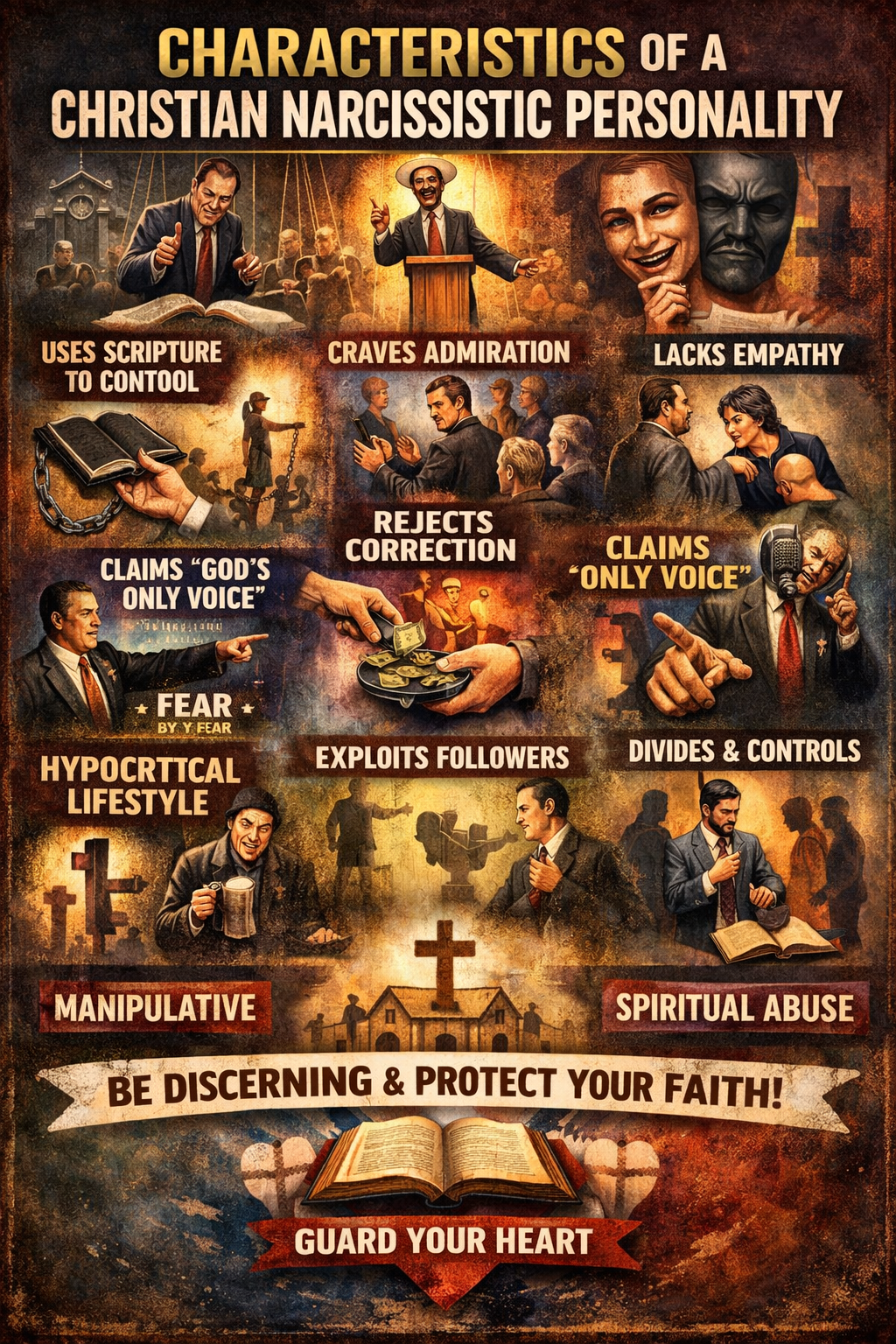
1. USES SCRIPTURE TO CONTROL RATHER THAN TO SERVE
Bible verses are quoted selectively to silence, intimidate, or manipulate others instead of leading people to repentance, freedom, and obedience to Elohim (2 Corinthians 1:24).
2. CRAVES SPIRITUAL ADMIRATION AND VALIDATION
Such a person desires titles, honor, applause, and recognition more than humility, servanthood, and faithfulness, wanting to be seen as “anointed”, “special”, or “untouchable” (Matthew 23:5-7).
3. LACKS GENUINE EMPATHY WHILE CLAIMING SPIRITUAL AUTHORITY
They show little concern for the pain, struggles, or wounds of others, yet expect unquestioning loyalty and emotional submission from believers (Philippians 2:3-4).
4. CANNOT ACCEPT CORRECTION OR ACCOUNTABILITY
Any form of questioning is labeled as rebellion, lack of faith, or opposition to Elohim, treating correction as an attack rather than a path to growth (Proverbs 12:15).
5. PORTRAYS THEMSELVES AS ELOHIM’S EXCLUSIVE VOICE
They imply or openly state that disagreement with them equals disobedience to Elohim, subtly placing themselves between Elohim and the people (1 Timothy 2:5).
6. USES FEAR TO MAINTAIN LOYALTY
Followers are warned of curses, calamity, spiritual loss, or divine punishment if they question leadership, leave, or speak out (2 Timothy 1:7).
7. PUBLICLY SPIRITUAL BUT PRIVATELY UNREPENTANT
There is strong religious language and public performance, but little evidence of brokenness, repentance, or the fruit of the Spirit in private life (Matthew 23:27-28).
8. EXPLOITS PEOPLE EMOTIONALLY, SPIRITUALLY, OR FINANCIALLY
Believers are treated as resources rather than souls to be shepherded, often justified using words like sacrifice, submission, or faith (1 Peter 5:2-3).
9. SHIFTS BLAME AND NEVER TAKES RESPONSIBILITY
Failures are blamed on members’ lack of faith, enemies, demons, or persecution, never on poor leadership or personal error (Proverbs 28:13).
10. DIVIDES RATHER THAN UNITES THE BODY
They create inner circles, loyalists, and outsiders, producing fear and suspicion instead of unity, love, and mutual edification (1 Corinthians 1:10).
11. ELEVATES PERSONAL REVELATIONS ABOVE SCRIPTURE
Dreams, visions, and personal prophecies are emphasized over the written Word, and Scripture is adjusted to fit personal agendas (Galatians 1:8).
12. ATTRACTS AND BINDS THE WOUNDED AND VULNERABLE
They appeal to those seeking healing or direction, then create dependency instead of leading believers to maturity in the Messiah (Ephesians 4:14-15).
CONCLUSION
Beloved, discernment is vital in the last days. Not every person who speaks spiritual words or performs miracles belongs to Elohim. Test every spirit by Scripture, examine actions over words, and guard your heart from manipulation, fear, and deception. True spiritual leaders serve, heal, guide, and uplift without control or intimidation. Stand firm, walk in love, and do not fear, for Elohim is your protector and guide (1 John 4:1).
This Post has been prepared by
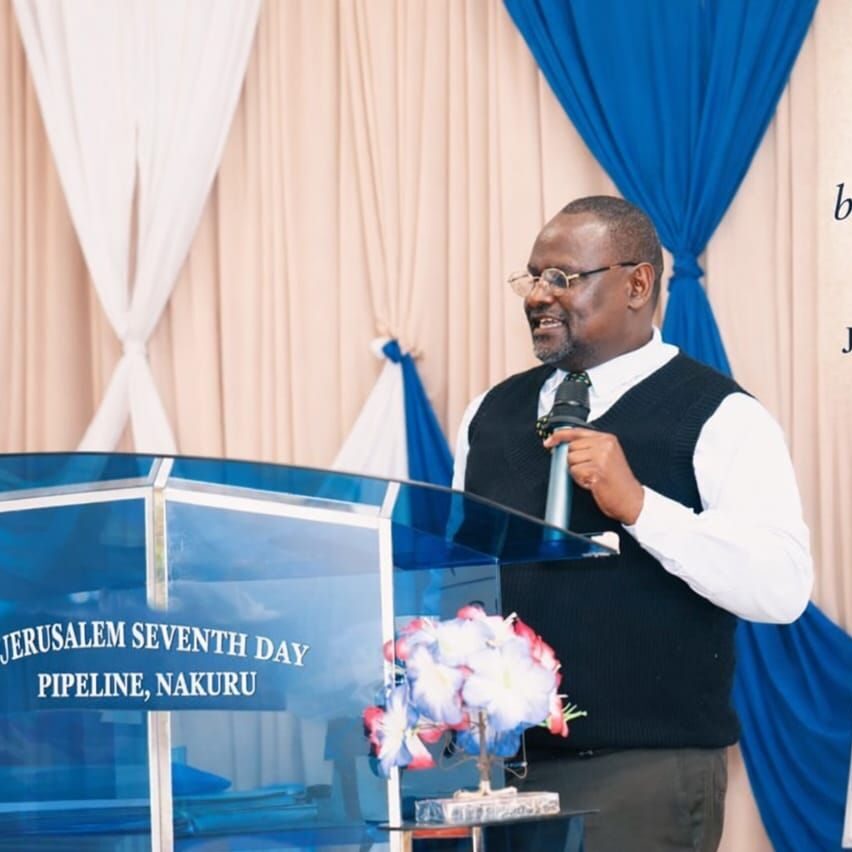
Bro Mutonga (Pipeline Church, Nakuru, Kenya, East Africa, Africa)
babakevi@gmail.com
+254722808047
Permission granted to freely share it widely in whatever form (Matthew 10:8).